

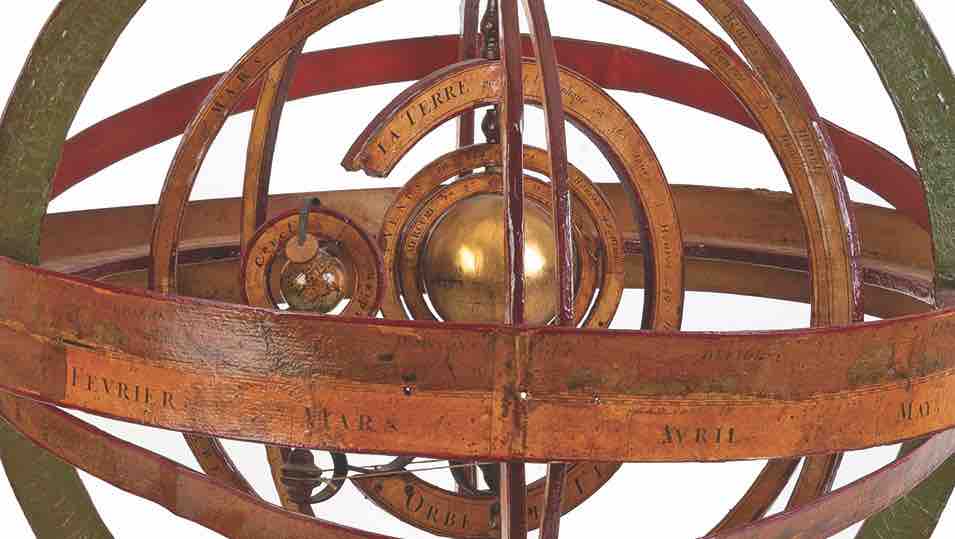
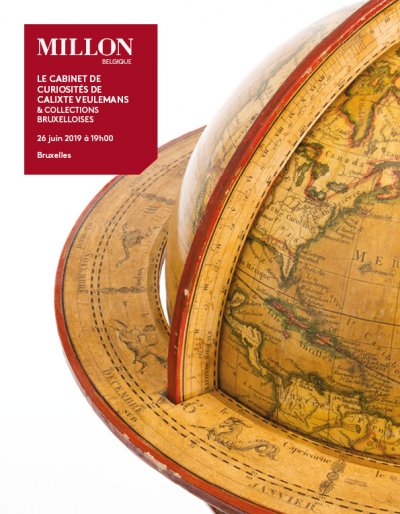
Le Cabinet de curiosité de Calixte Veulemans & Collections Bruxelloises
Wednesday 26 June 2019 - 19:00
infos
-
01
Auction details
Auction fees : 25% TTC
Drouot platform fee: 2% including VAT
Payments are due within 5 days of the sale.
AZ Auction guarantees the authenticity of the works offered for sale.
Telephone bids are accepted on the condition that the bidder is prepared to purchase the lot(s) at the low estimate price. If the bidder cannot be reached at the time the lot is auctioned, AZ Auction may award the lot to him/her at the low estimate price.
-
02
Sale schedule
The Wednesday 26 June 2019
19h
001 -> 054 : Asie
055 -> 060 : Orient
061 -> 116 : Bijoux du monde
117 -> 141 : Arts premiers
142 -> 165 : Cabinet de curiosité
166 -> 191 : Instruments scientifiques
192 -> 251 : Siècles Classiques
252 -> 277 : Argenterie
278 -> 290 : Art Nouveau
291 -> 297 : Art moderne
298 -> 304 : Art contemporain
-
03
Exhibition days
Exhibition :
Samedi 22 au mardi 25 juin de 11 à 18h
Free parking is available for our customers in front of our offices
-
04
Withdrawal of lots
-
05
Catalogue
-
06
results
-



Appraisal :
Hammer price :


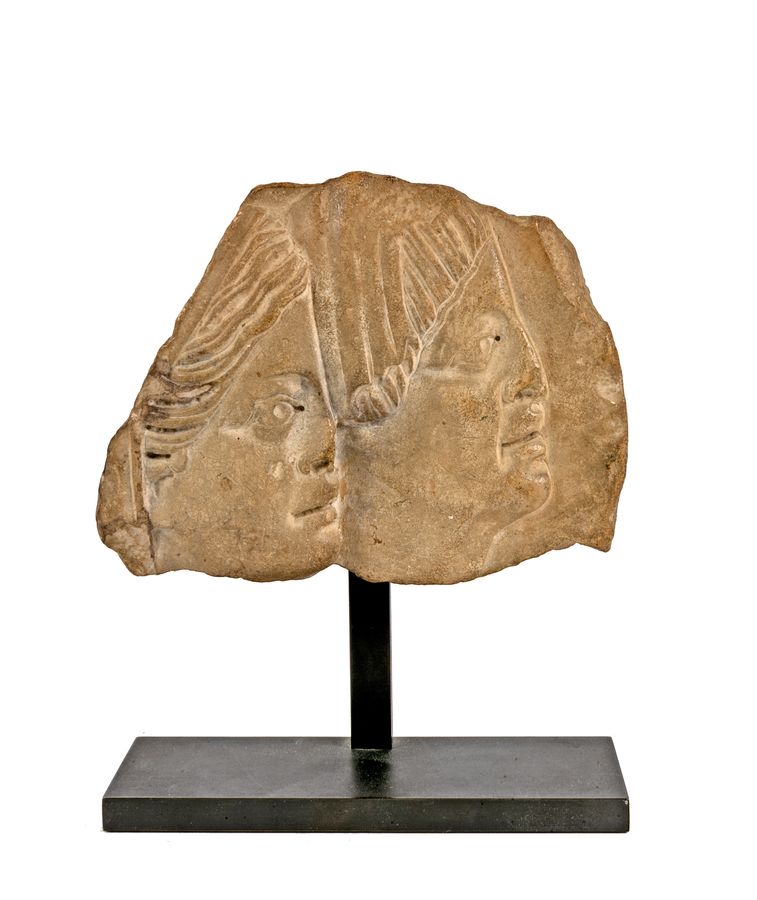
Appraisal :
Hammer price :
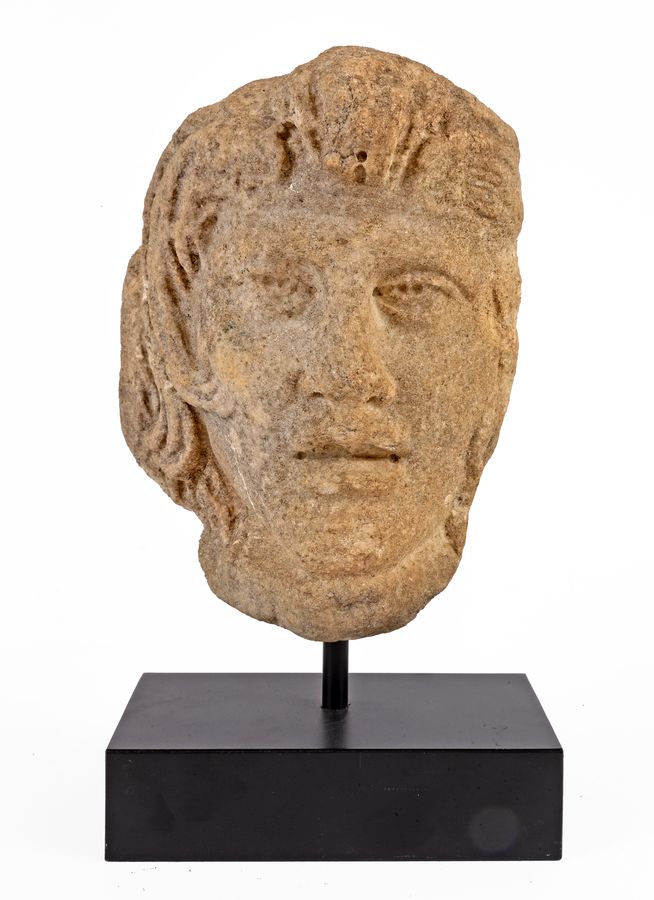
Appraisal :
Hammer price :
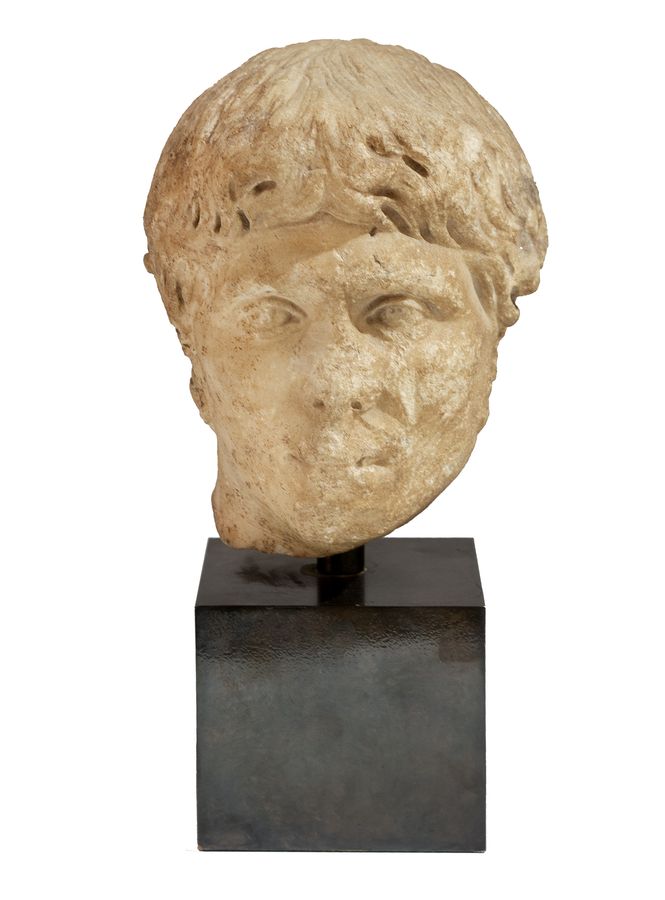
Appraisal :
Hammer price :
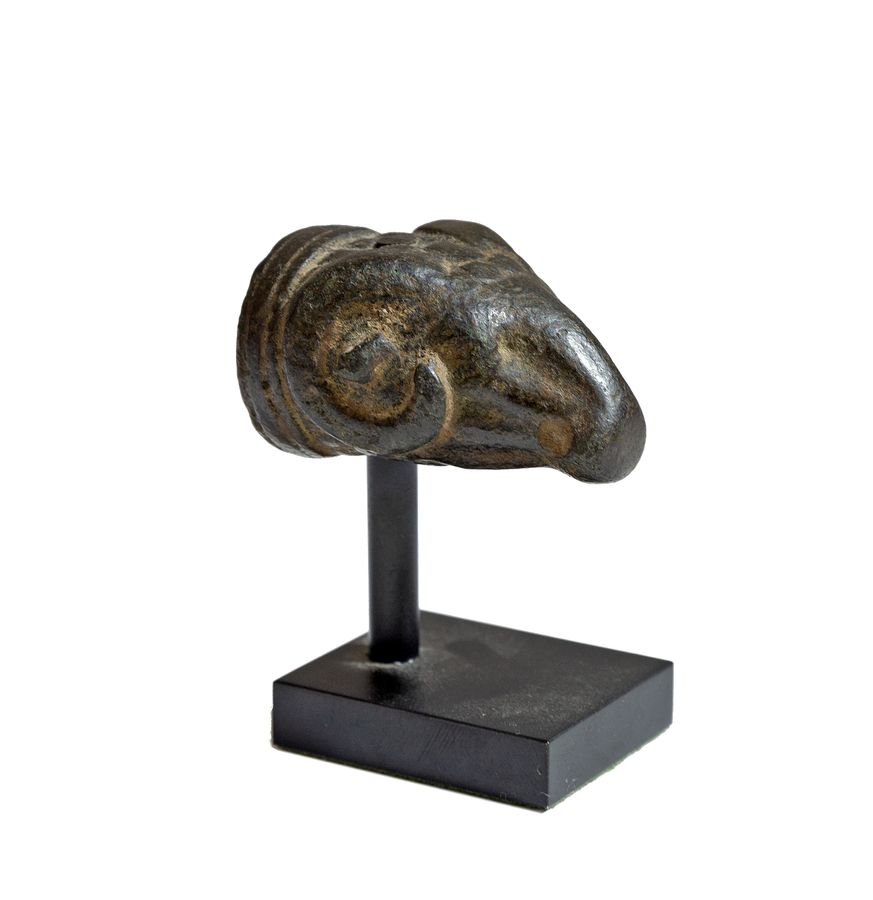
Appraisal :
Hammer price :
Appraisal :
Hammer price :
Appraisal :
Hammer price :
Appraisal :
Hammer price :
Appraisal :
Hammer price :
Appraisal :
Hammer price :
Appraisal :
Hammer price :
Appraisal :
Hammer price :
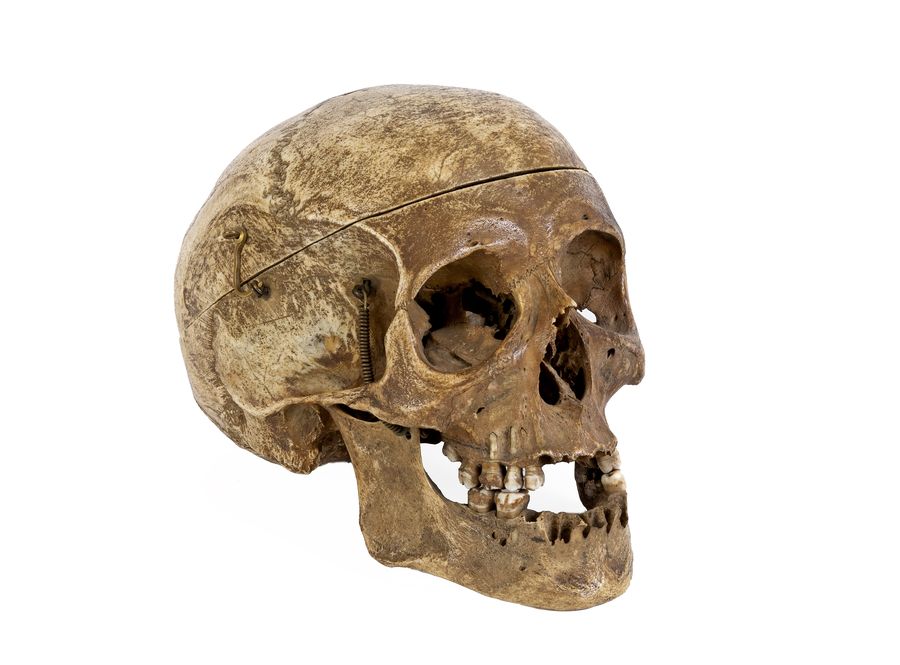
Appraisal :
Hammer price :
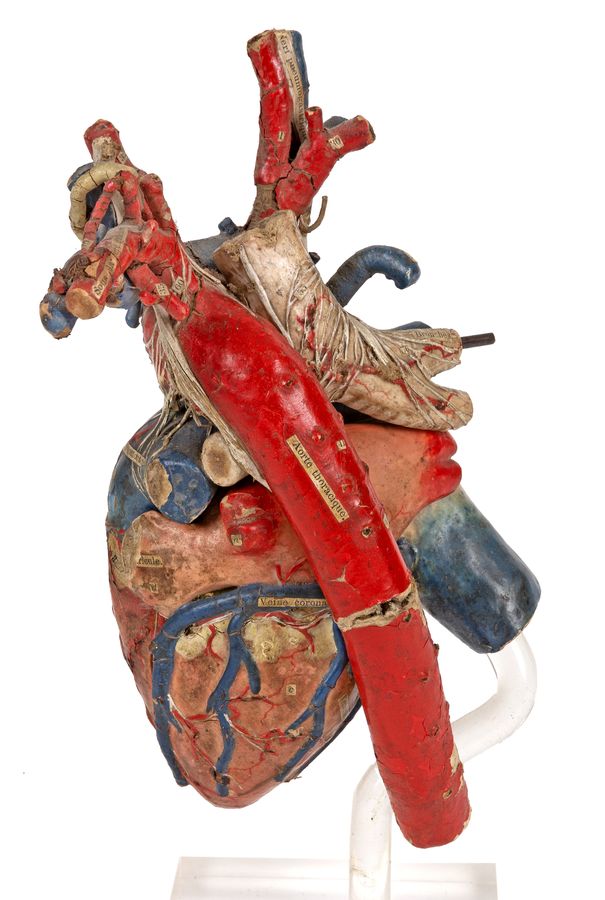
Appraisal :
Hammer price :
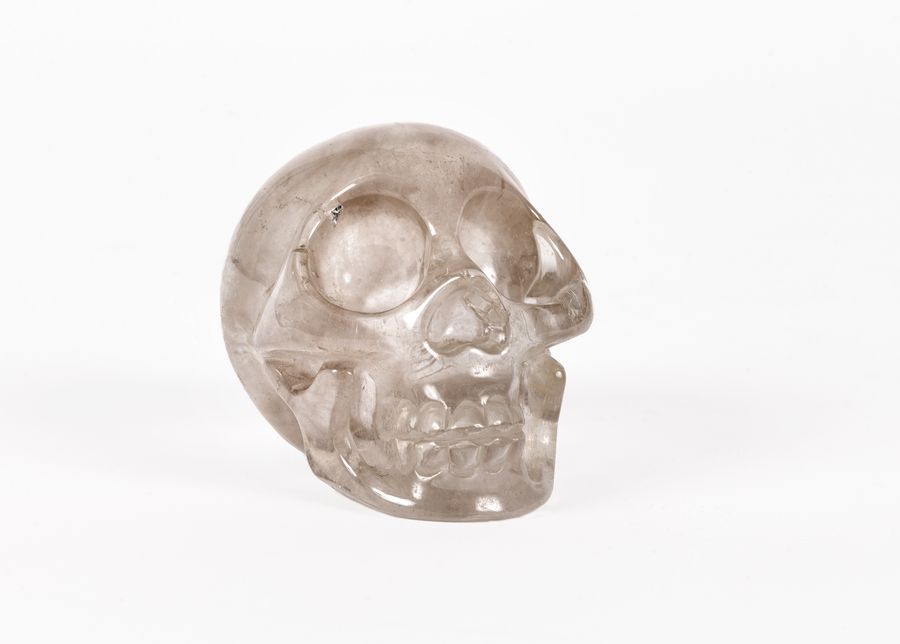
Appraisal :
Hammer price :
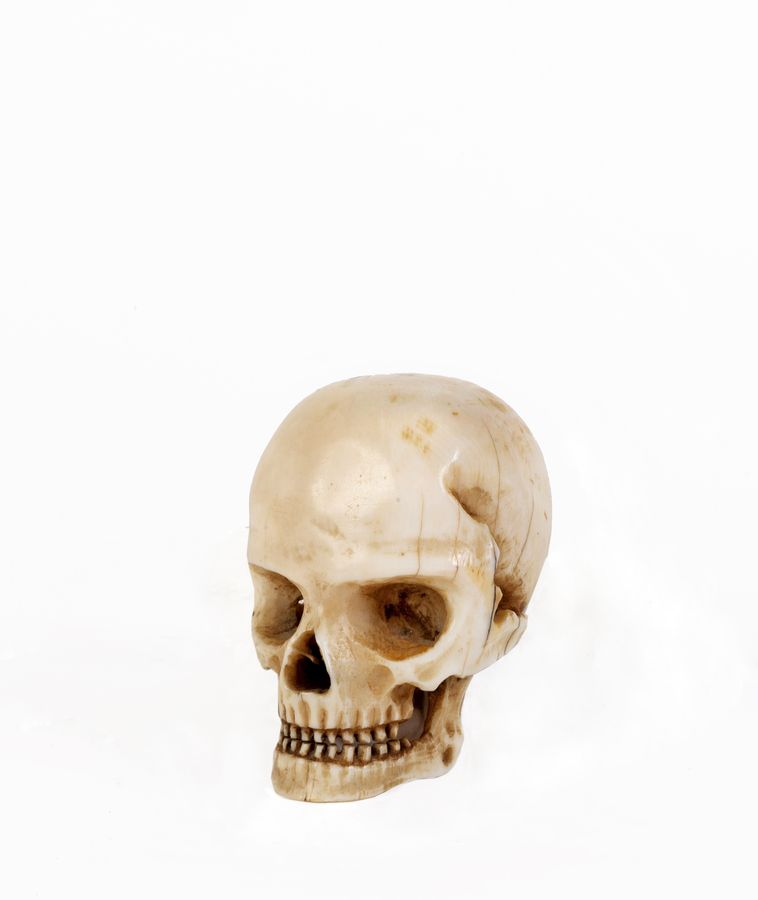
Appraisal :
Hammer price :
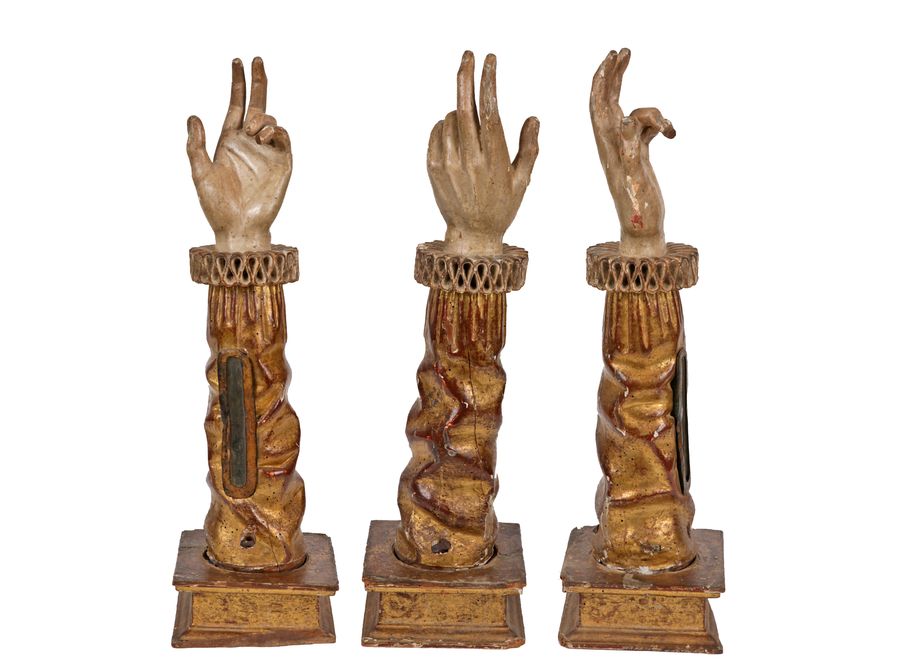
Appraisal :
Hammer price :
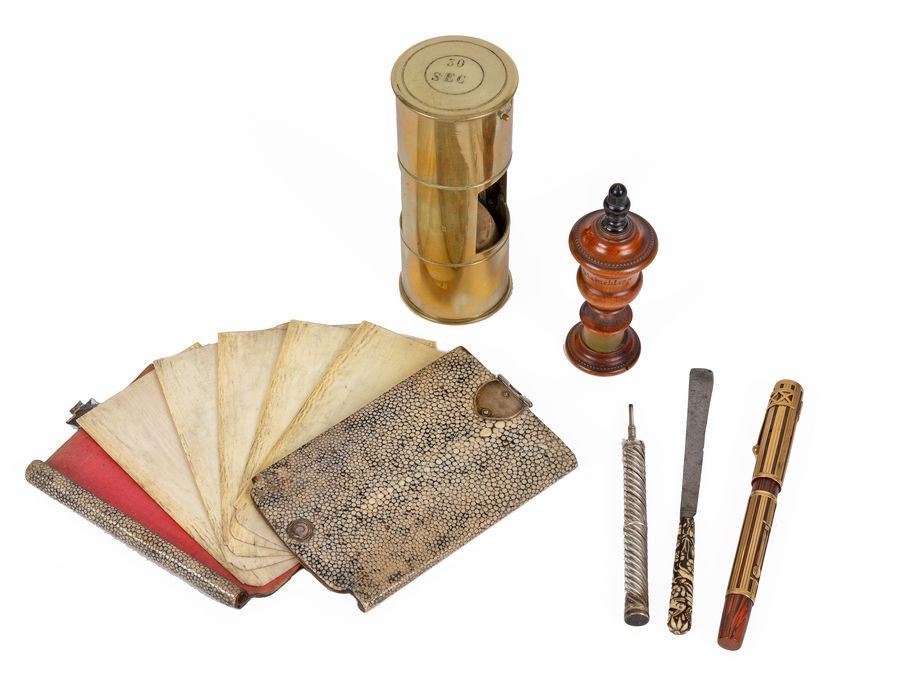
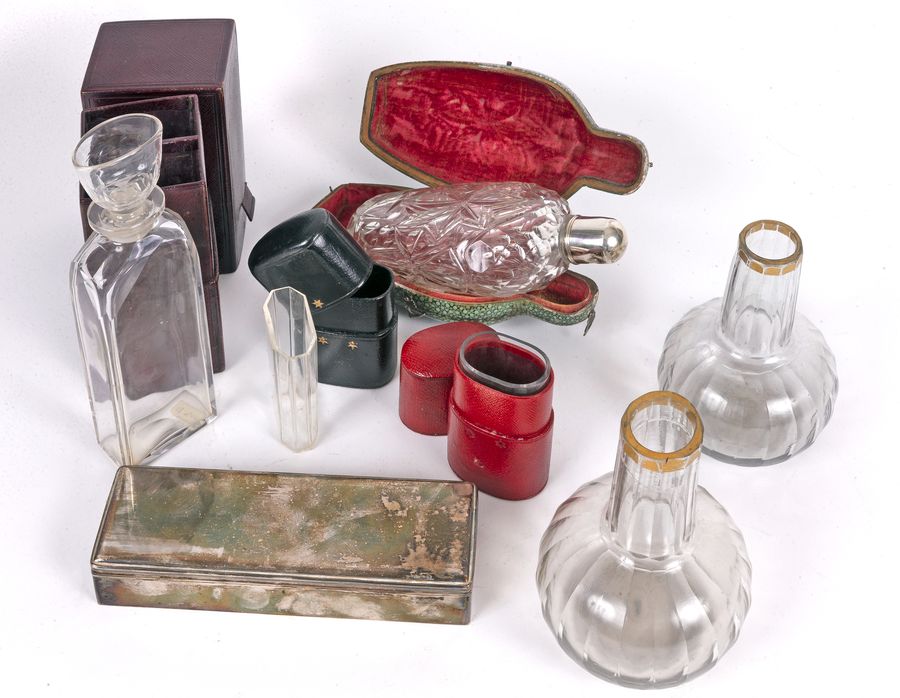
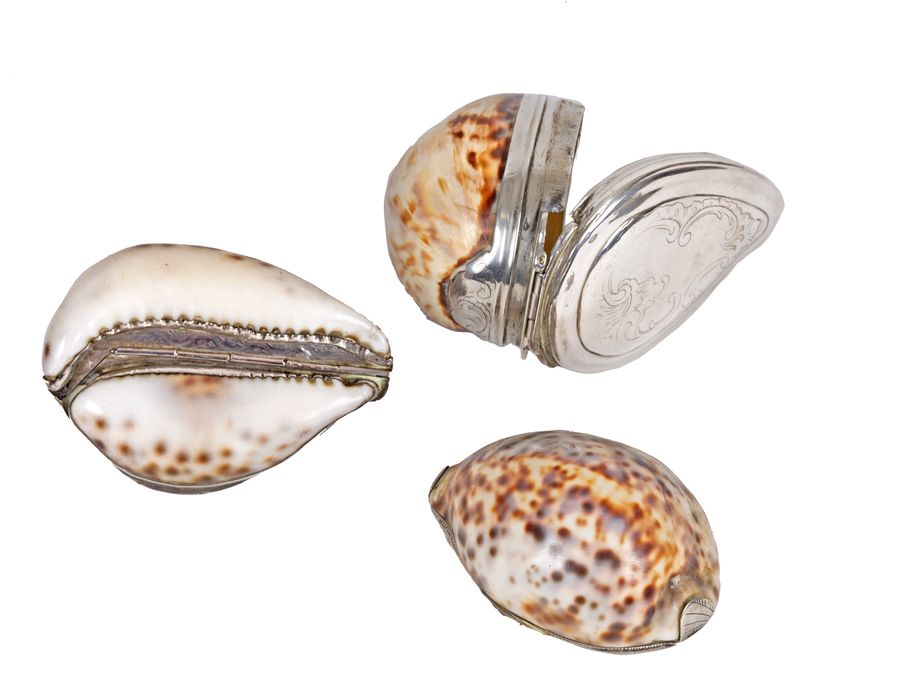
Appraisal :
Hammer price :
Appraisal :
Hammer price :
Appraisal :
Hammer price :
Appraisal :
Hammer price :